



BBF Tourism
Dhaka – Narayanganj – Narsingdi – Munshiganj – Gazipur – Manikganj – Tangail – Mymensing – Rangpur – Dinajpur – Rajshahi – Khulna – Barisal – Comilla – Rangamati – Sylhet – Cox’s Bazar – Kuakata – Bandarban – Chottogram – Saint martin
The Comilla region was once part of the kingdom of Samatata, which ultimately amalgamated with the state of Tripura. From the 9th century AD, the Harikela monarchs governed this region. In the seventh century AD, the Deva dynasty controlled Lalmai Mainamati (during the 10th and mid-11th century AD). Jagat Manikya’s Bengal-backed lordship was based in the city in 1732.
The Comilla Cantonment is East Bengal’s oldest military base. The British Indian Army used it extensively throughout WWII. It was the headquarters of the 14th Army. After WWII, the Maynamati War Cemetery in Comilla was created to honor Allied soldiers who died in WWI and WWII, particularly from Commonwealth countries and the United States. There are also few WWII Japanese troops buried there.
Most visited places in Comilla (Cumilla)
Shalban Bihar (vihara) & Mainamati Museum:

The prominent point of interest for tourists in Comilla is Shalban Bihar, a renowned archaeological location. The location in question is situated approximately 10 kilometers from the urban center of Comilla. During the 7th century, King Bhava Deva constructed a monastery that features a layout of a Buddhist monastery and encompasses 115 monk cells.
The Mainamati Museum, located in Comilla, was established in 1965 to preserve and showcase the ancient artifacts excavated from the region.
Maynamati War Cemetery:

This particular attraction in Comilla is deemed essential to visit. The Mainamati or Comilla War Cemetery is the final resting place of around 736 graves from the Second World War. The site adjacent to the Mainamati cantonment is under the jurisdiction of the Commonwealth War Graves Commission, which is responsible for overseeing all operations therein.
Dharmasagar:

The Dharmasagar is a highly recommended tourist attraction located in Comilla. Comilla features a large artificial body of water commonly referred to as the centenarian man-made pond. The excavation of the present pond was carried out under the supervision of King Dharma Manikya I of Tripura in the year 1458. Kazi Nazrul Islam, the renowned national poet, and Sachin Dev Burman, the Indian music director, resided in Comilla during their tenure. A memorial dedicated to Nazrul is situated in close proximity to the pond.
Lalmai Pahar:

Comilla’s status as a renowned tourist destination is a well-guarded secret. The legend of Lama Pahar is a subject of interest. The geographical area in question exhibits a significant abundance of natural aesthetics. Lalmai Pahar is a desirable location for social gatherings, however, it is advised to exercise caution against potential threats. The topography of the area includes elevations reaching up to 45 feet, yet the predominant soil composition of said elevations is characterized by a reddish-brown hue.
Ita Kola Mura and Rupban Mura:

Ita Kola Mura and Rupban Mura are additional attractions to visit in Comilla. The geographical location of the area in question is in close proximity to Comilla, situated within a highland region. An additional archaeological site situated in close proximity to Mainamati is BARD, which is geographically co-located with the former. This site is home to numerous colossal Buddha statues, in addition to various artifacts such as coins, and other objects dating back to the 1990s. The summit of this elevation is adorned with a monastic establishment, and the religious structures present here have been in existence since the period ranging from the 7th to the 12th century, thereby attesting to their antiquity.
Bangladesh Academy for Rural Development:
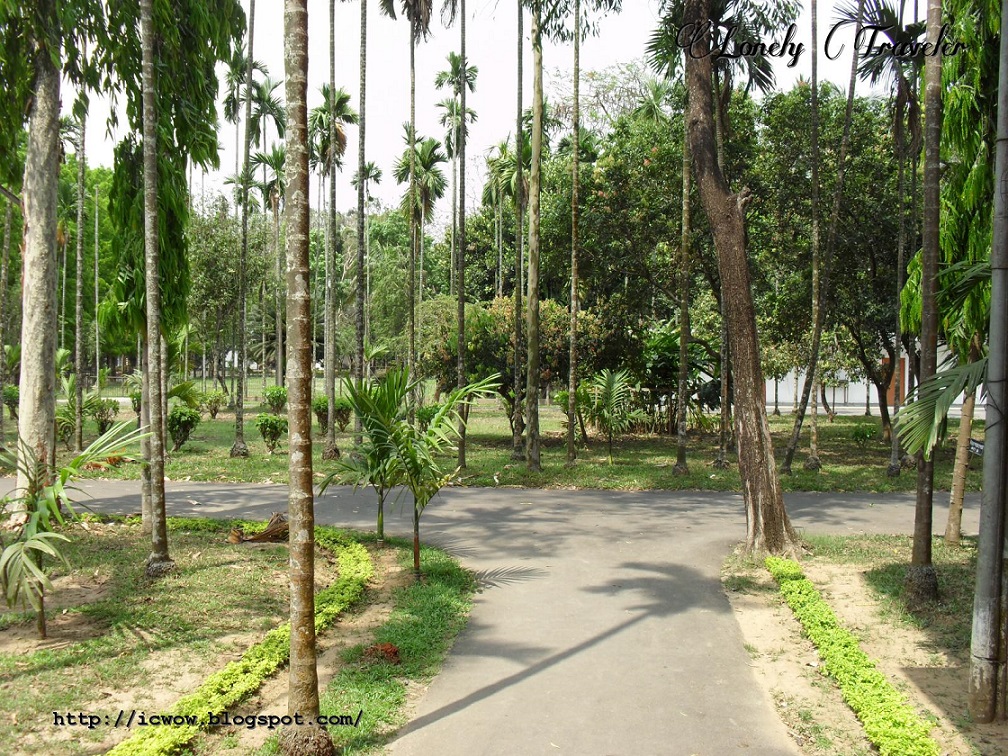
This location has a lengthy history of existence. The Bangladesh Academy for Rural Development (BARD) is providing assistance to individuals residing in rural areas within the region. One can engage in social activities with their acquaintances and relatives at that location. The organization in question is a non-profit entity that prioritizes research and training initiatives for individuals residing in rural regions, as well as those engaged in rural development. Recognition on a global scale is imperative for the effective demonstration of successful rural development initiatives in impoverished nations.
Chondi Mura temple:

The location in question is a frequently visited site by tourists in Comilla, Bangladesh, and is situated atop an elevated terrain. In order to reach the Chondi Mura temple, it is necessary to ascend a flight of stairs. The Chondi Mura shrine is situated in a remote location, away from the popular tourist destinations in the Shalbon Bihar region of Comilla, thus imparting a sense of solitude. Consequently, the area receives scant tourist footfall.
Jagannath temple:

The Comilla district is home to the most ancient temple, which has become a well-known attraction among tourists visiting the town of Comilla. The
Jagannath temple in question was established during the 16th century by Moharaja Rada Kishor Manikuo Bahadur, who held the position of monarch in the region of Tripura. The temple is devoted to the veneration of the deities Jagannath, Balabhadra, and Subhadra.
FAQ:
What are the notable attractions of Cumilla?
Comilla, a city that has established transportation links with Dhaka and Chittagong via road and rail, has served as a hub for the gathering of hides and skins. Additionally, it houses jute and cotton mills, along with a thermal power station. The principal cottage industries comprise of cane and bamboo basketry, pottery, woodworking, and cotton weaving.
What is the most ancient location in Cumilla?
The Jagannath temple located in the Comilla district is believed to be one of the oldest temples in the region. During the 16th century, Moharaja Rada Kishor Manikuo Bahadur, the King of Tripura, constructed the aforementioned structure. The temple is dedicated to the veneration of the deities Jagannath, Balabhadra, and Subhadra.
What is the name of the river that traverses through Comilla?
The Gomti River is a significant watercourse in India that flows through the states of Uttar Pradesh and Uttarakhand.
Comilla is characterized by the presence of two prominent rivers. Two rivers that are noteworthy are the Meghna River and the Gomti River. During the dry season, it is possible to observe a significant decrease in the water level of the river Gomti (গোমতি নদী) upon visiting the area.
What is the historical background of the city of Comilla?
During the 17th century, the city was under the governance of Mughal emperors, while in the 19th century, it was ruled by the British East India Company. The urban center is renowned for its diverse array of confectioneries and Batik textile designs. The Comilla populace is characterized by its multi-ethnic composition. The population comprises a blend of individuals with Afghan and British ancestry, albeit with a relatively minor representation of the latter.

